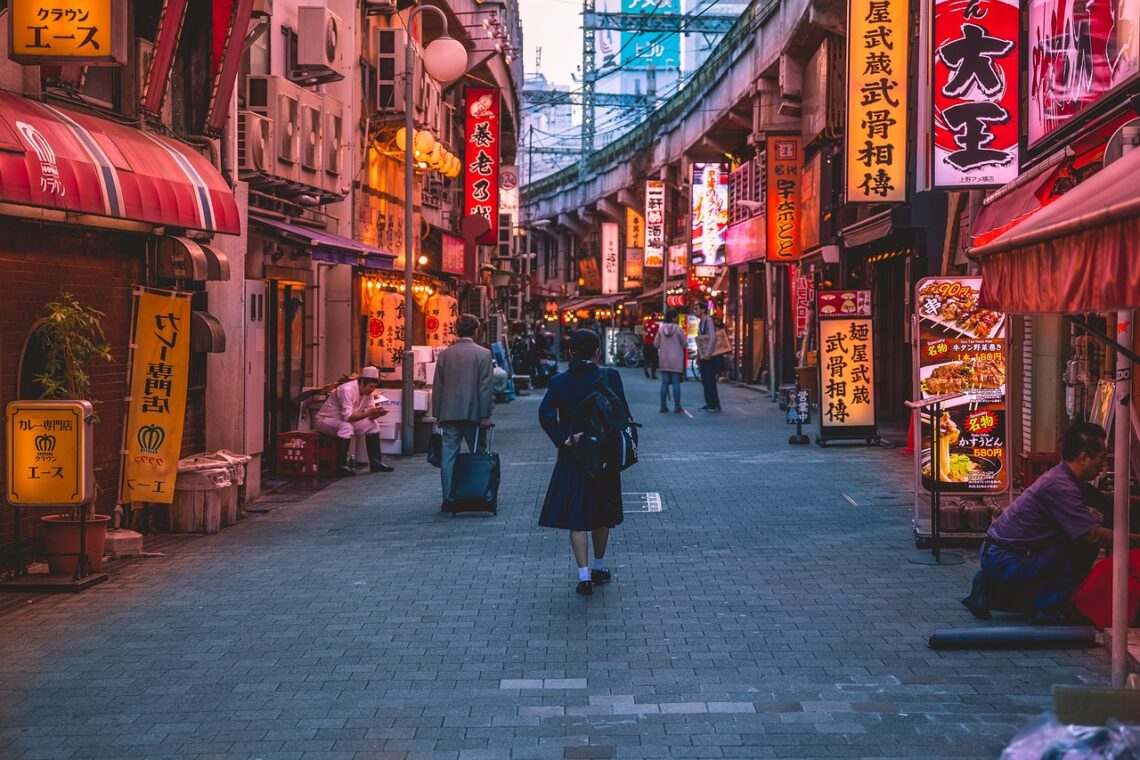
Preparing to Embrace Japanese Culture Before You Visit*
If you’re anything like me, you don’t want to arrive in a new country looking completely clueless. And when it comes to Japan, a little cultural understanding goes a very long way. It’s a country known for its politeness, traditions, and subtle social rules, quite different from life here in the UK, but fascinating once you get your head around it.
Embracing Japanese culture before you travel isn’t about pretending to be someone you’re not. It’s about showing respect, being open-minded, and making your experience richer (and less awkward) once you’re actually there.
Here are a few thoughtful ways to prepare.
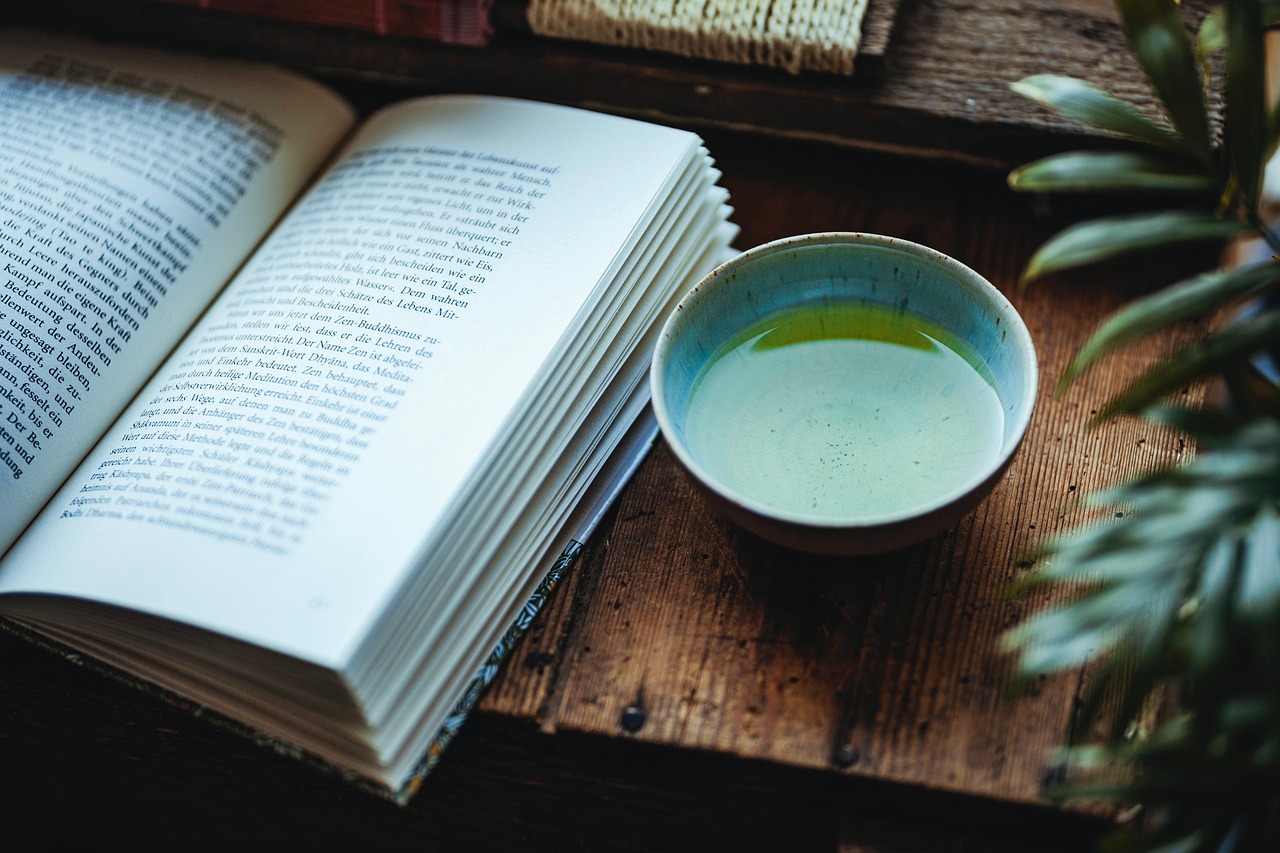
1. Learn the Basics of Japanese Etiquette
Japan runs on social awareness. Things that seem small to us can carry a lot of meaning there.
For example, bowing is a common greeting, and while no one expects visitors to get the angle perfect, a small nod of the head shows effort and respect. Being quiet on public transport is another big one, phone calls on trains are frowned upon, and people generally keep noise to a minimum.
Queuing, which we Brits already treat as a sacred ritual, will stand you in good stead. In Japan, lines are orderly, and people are incredibly considerate about shared space. A bit of patience and spatial awareness will help you blend in more than you think.
2. Get Comfortable with Cultural Differences
Some everyday habits differ quite a bit from what we’re used to. You’ll often need to remove your shoes indoors, not just in homes, but sometimes in traditional restaurants, temples, and certain accommodation. Wearing clean, hole-free socks suddenly becomes very important.
You’ll also notice a strong culture of gift-giving and thoughtful presentation. Even small purchases can be beautifully wrapped. Taking a moment to appreciate these details rather than rushing through interactions makes a big difference.
3. Try the Food Mindset, Not Just the Food
Yes, sushi and ramen are brilliant, but Japanese food culture is also about balance, seasonality, and respect for ingredients.
Before you go, it helps to learn a few table manners. For instance, sticking chopsticks upright into rice is linked to funeral rituals and should be avoided. Saying “itadakimasu” before a meal and “gochisousama deshita” after is a way of showing gratitude, and even making a small effort with phrases like these is usually warmly received.
Approaching meals with curiosity rather than fussiness will open up some of the best experiences of your trip.
4. Understanding Japanese Fashion
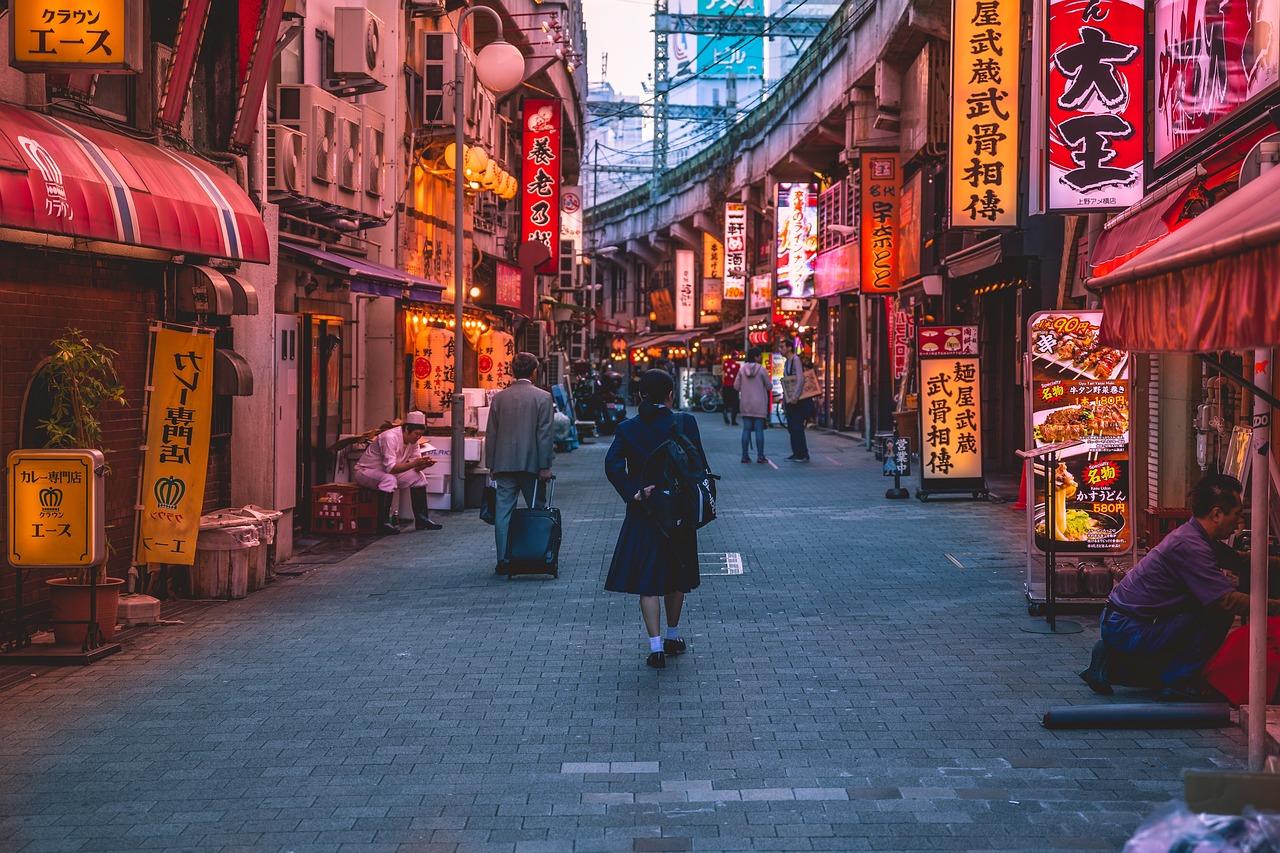
Japanese clothing is incredibly diverse, and that’s part of what makes it so interesting. In cities like Tokyo, you’ll see everything from ultra-minimalist, neutral-toned outfits to bold street styles such as japanese waffle sweatshirts, in areas like Harajuku. At the same time, there’s still a strong appreciation for neatness and presentation.
If you want to feel more in tune with local style, aim for outfits that are tidy, well put-together, and not overly revealing, especially when visiting temples or shrines. Smart-casual, such as a japanese button up shirt, works well in many situations. You don’t need to reinvent your wardrobe, but leaning into clean lines, good layering, and understated pieces will help you feel comfortable and respectful.
It’s also worth remembering that in Japan, looking polished is often seen as a sign of consideration for others, not vanity. Making a bit of effort with your appearance can be another subtle way of showing cultural awareness.
5. Learn a Few Key Phrases
You don’t need to be fluent, but a handful of Japanese phrases can transform your interactions. Simple words like:
- Arigatou gozaimasu (thank you)
- Sumimasen (excuse me / sorry)
- Onegaishimasu (please)
…go a long way. From a British perspective, it’s a bit like making the effort to say “cheers” and “sorry”; it softens everything and shows goodwill.
6. Respect Sacred and Quiet Spaces
Shrines and temples are beautiful, peaceful places, not just tourist attractions. Watching how locals behave, washing hands at purification fountains, being calm and quiet, and not stepping into restricted areas, will guide you well.
Photography rules can vary, so if in doubt, look for signs or simply pause and observe. A bit of mindfulness here shows genuine respect for traditions that have been around for centuries.
Why Embracing the Culture Matters
Making an effort with Japanese culture before you visit isn’t about ticking boxes. It changes how you experience the country. Instead of feeling like an outsider just passing through, you start to notice the small details, the politeness, the care, the quiet beauty in everyday routines.
As travellers from the UK, we already understand the value of manners, personal space, and understated behaviour. Leaning into those shared values while staying open to differences makes for a smoother, more meaningful trip.
In the end, it’s simple: the more respect you show, the more warmth you’re likely to receive. And that’s what turns a holiday into a genuinely memorable experience.


You May Also Like

How to Feel More Comfortable Going to the Gym*

My 10 Favourite Plotlines on Once Upon a Time