
Discreet Ways to Represent Christianity in Everyday Life*
In the UK, faith often sits in a more private space. We’re not always ones for loud declarations or grand gestures, but that doesn’t make belief any less meaningful. For many families, Christianity shapes values, traditions, and the way we treat others, even if it’s expressed quietly. Representing your faith in a discreet way can feel more natural, respectful, and authentic, especially in our fairly reserved culture.
Here are some thoughtful ways to reflect your Christianity in everyday life without feeling like you’re putting on a billboard.
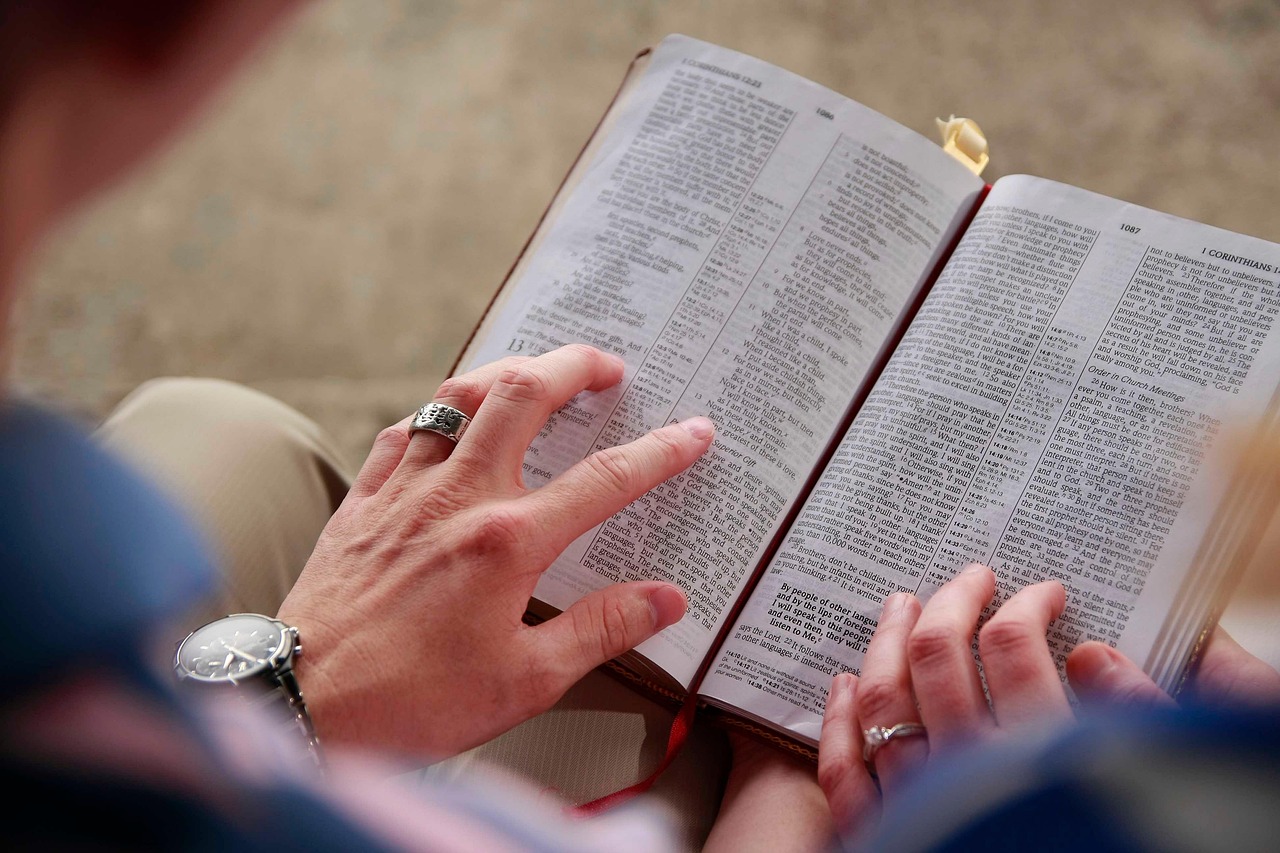
1. Let Your Actions Speak First
One of the most powerful ways to represent Christianity is simply through how you live. Patience in stressful moments, kindness to strangers, generosity when someone’s struggling, these things stand out far more than words.
In Britain, where understatement is practically a sport, consistent compassion and integrity are often the clearest reflections of faith. Your children and wider family notice this too. It builds a quiet legacy: Christianity isn’t just something you talk about on Sunday; it’s something you live Monday to Saturday as well.
2. Subtle Christian Symbols
Discreet Christian symbols can be meaningful without drawing too much attention. A small cross necklace, a bracelet with a tiny fish symbol, or a ring engraved with a Bible verse reference can serve as personal reminders of faith.
These items often spark gentle, natural conversations rather than confrontational ones. Someone might ask, “What does that symbol mean?” and that opens the door to share your faith story in a way that feels relaxed and genuine rather than forced.
3. Faith Reflected in Your Home
Your home is one of the most natural places to express Christianity quietly. A framed Bible verse in the hallway, a small cross on a bookshelf, or a nativity set brought out at Christmas are all subtle but meaningful touches.
For families, these visual reminders help children grow up seeing faith as part of everyday life rather than something separate or purely church-based. It creates a sense of spiritual continuity; faith isn’t just an event, it’s part of the atmosphere of home.

4. Wearing Christian Clothing (In a Low-Key Way)
Christian clothing doesn’t have to mean bold slogans across your chest. In the UK especially, many people prefer understated designs. Think small embroidered crosses, minimalist faith-based symbols, or subtle script references that aren’t immediately obvious unless someone looks closely.
Christian hoodies with a tiny reference to a verse, a bracelet with “faith” or “grace” engraved inside, or even Christian t-shirts layered under a jacket can be a personal expression rather than a public statement. For families, this can be especially meaningful. Children see that faith isn’t something to hide, but it’s also not about showing off. It’s a natural part of who you are.
5. Choosing Words Thoughtfully
You don’t have to preach to represent Christianity. Simple phrases like “I’ll keep you in my prayers” or “I’m really grateful for that blessing” can gently signal your beliefs in everyday conversation.
In British culture, where direct religious talk can sometimes feel awkward, these soft expressions often feel more comfortable and sincere. They reflect a faith that’s woven into daily life, not reserved for formal settings.
6. Serving Your Community
Volunteering, supporting local charities, or helping neighbours in practical ways is a deeply Christian act that rarely needs explanation. Whether it’s bringing a meal to someone who’s unwell or helping at a food bank, service reflects Christ’s teachings in a way everyone understands.
For families, serving together can be especially powerful. Children learn that Christianity isn’t only about belief, it’s about love in action.
Why This Matters to Your Family
Discreetly representing Christianity helps keep faith integrated into normal life rather than making it feel separate or performative. It shows your family that belief is steady, humble, and sincere.
It also creates a safe space for faith conversations at home. When children see small, consistent expressions of Christianity, a prayer before bed, a cross on the wall, kindness shown to others — it shapes their understanding of what faith looks like in the real world.
Most importantly, it reinforces that Christianity is about relationship: with God and with others. It’s not about volume; it’s about depth. And often, the quietest expressions leave the strongest impressions.
Living out your faith in subtle ways fits naturally with British culture and can have a lasting impact on your family and community. After all, a light doesn’t have to be blinding to be seen, a steady glow is exactly what’s needed.


You May Also Like

Things to Think About When Choosing a Bridesmaid Dress*

Outfit of the Day – #EatSleepBlogRepeat