
5 Ideas to Introduce STEM to Your Child*
STEM – which stands for Science, Technology, Engineering and Mathematics – plays a key role in preparing children for the future. But you don’t need a lab coat or a coding degree to spark your child’s interest in these subjects. In fact, many everyday activities can gently introduce STEM concepts in fun and age-appropriate ways. Here are five simple ideas to get started.
1. Build with Everyday Materials
Encourage your child to design and build structures using items like wooden blocks, cardboard boxes, or even recycled materials. This kind of hands-on construction promotes basic engineering skills, problem-solving, and spatial awareness – all while encouraging creativity and resilience.

2. Explore Nature Together
Take a walk in the garden or local park and look closely at leaves, insects, clouds, or rocks. Observing the natural world helps children begin to think like scientists: asking questions, noticing patterns, and making simple classifications. Activities like planting seeds or measuring rainfall can also introduce early mathematical and environmental ideas.
3. Use STEM-Focused Toys and Games
Toys that involve magnets, gears, coding, or pattern-making are ideal for introducing technical concepts through play. Board games that involve logic and numbers also help children develop key skills in reasoning and strategy, laying strong foundations for future learning.
4. Cook Together in the Kitchen
Cooking introduces STEM in a deliciously engaging way. Measuring ingredients, observing chemical reactions (like rising dough), and adjusting quantities all involve maths and science. Discussing cause and effect – such as what happens when ingredients are mixed or heated – naturally promotes scientific thinking.

5. Get Involved in Early Years Programmes
Many early years settings already integrate STEM into daily routines. For example, a Nursery Hazel Grove might include activities like basic coding games, nature-based learning, or problem-solving tasks as part of their curriculum. Asking your child’s nursery about how they approach STEM can give you ideas to continue supporting it at home.
Introducing STEM doesn’t require a classroom – just curiosity, conversation, and the confidence to explore ideas together. By incorporating STEM into everyday experiences, you help your child build a lifelong love of learning.


You May Also Like
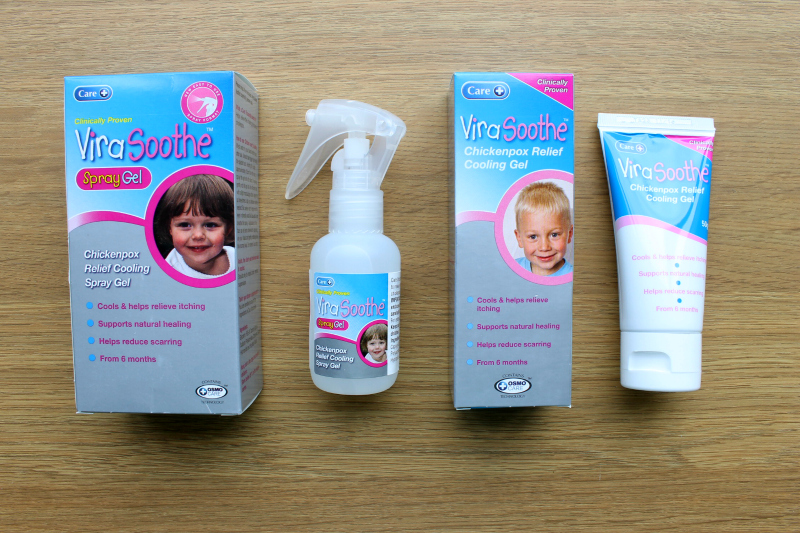
Getting Through Chicken Pox with ViraSoothe*

How to Help Your Child Build Emotional Resilience*