How to Identify Your Child’s Learning Style*
Every child learns in their own unique way. Understanding your child’s learning style can make a huge difference to their educational experience, helping them feel more confident, motivated and successful. Whether they’re at nursery, primary or secondary school, recognising how they best absorb information allows you to support them more effectively at home and collaborate better with their teachers.
What Are the Main Learning Styles?
Most children fall into one or more of the following learning categories:
• Visual learners: These children learn best through images, diagrams, colours and spatial understanding. They are often observant, enjoy reading and benefit from charts, maps and visual cues.
• Auditory learners: These learners absorb information by hearing it. They might enjoy music, storytelling and group discussions, and often remember things they’veheard rather than seen.
• Kinaesthetic learners: Sometimes called tactile learners, these children learn through hands-on experiences. They thrive when moving around, doing practical activities and using physical objects to understand concepts.
• Reading/writing learners: Some children respond best to written words—both reading and writing them. They may enjoy making lists, journaling, or working through textbooks.
Many children are a blend of several styles, but usually one is more dominant.
Observing Your Child’s Preferences
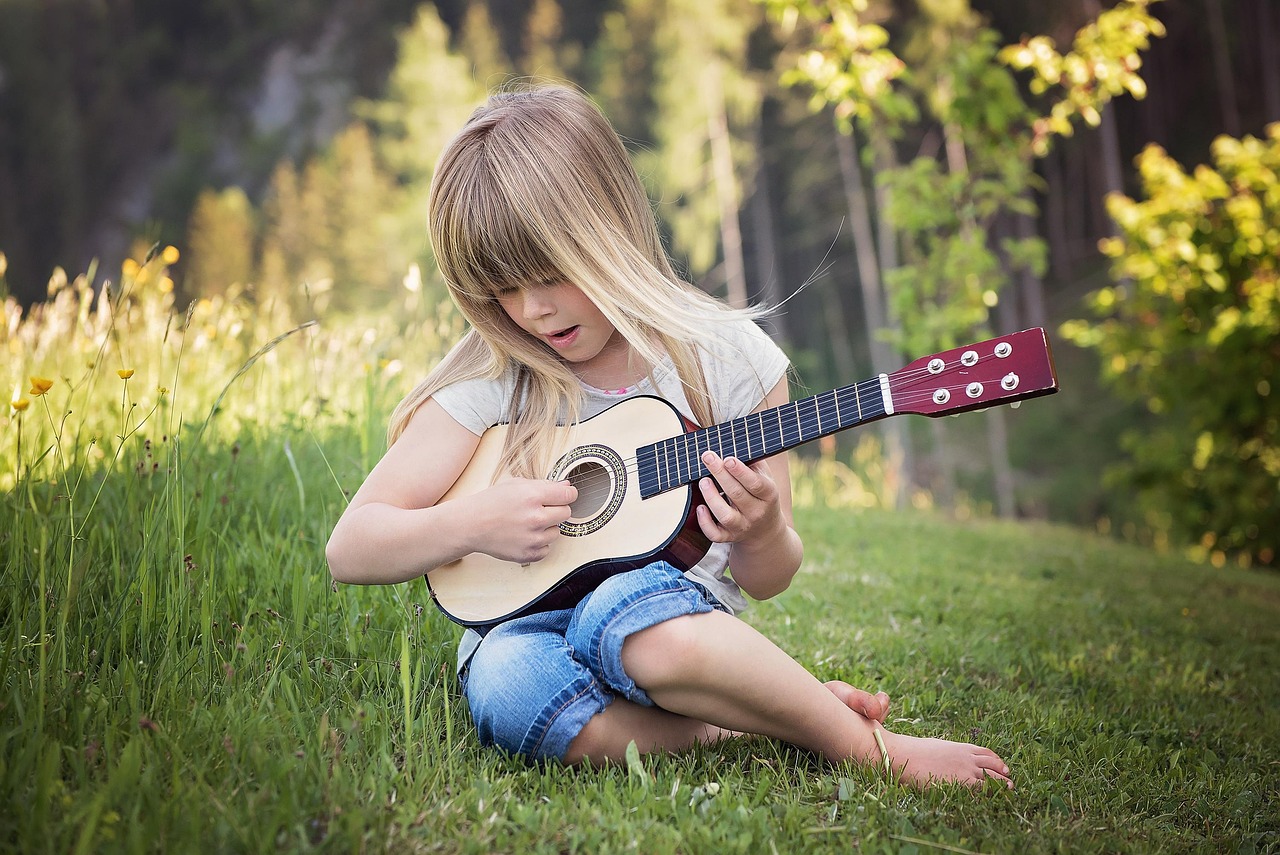

This independent school in Richmond recommends paying attention to your child’s behaviour during everyday activitiesas it can offer clues to their learning style:
• Do they gravitate towards drawing or reading picture books? They may be visual learners.
• Are they constantly asking questions, singing or recalling what someone said? This could indicate an auditory preference.
• Do they seem restless during lessons but engage well during sports or building games? They might be kinaesthetic learners.
• Do they enjoy writing stories, taking notes or organising their thoughts on paper? This could suggest a reading/writing style.
Watch how they solve problems or respond to homework. The methods they choose naturally can reveal their preferred way of processing information.
Why It Matters
Identifying your child’s learning style isn’t about putting them into a box—it’s about unlocking their potential. When learning feels intuitive and engaging, children are more likely to stay focused, retain information and develop a love for education.
Knowing their learning style can also help reduce frustration. A child who struggles to sit still during long explanations may not have a discipline issue—they may simply need a more active, hands-on approach.
How to Support Their Learning Style at Home
Here are a few practical ways to tailor learning at home:
• Visual learners: Use flashcards, colour-coded notes, mind maps and videos.
• Auditory learners: Read instructions aloud, use audiobooks, and encourage discussions about topics.
• Kinaesthetic learners: Incorporate movement into study time, use role play or experiments, and allow fidget toys for focus.
• Reading/writing learners: Encourage list-making, note-taking and written reflections.
Understanding your child’s learning style can strengthen your connection with them and make learning a more positive experience. While schools increasingly recognise different learning needs, your support at home can truly empower your child to succeed in a way that feels natural to them. Stay curious, be flexible, and above all—celebrate their unique way of learning.


You May Also Like
Guest Post // Top Tips for Traveling with a Baby*

Helping Your Teen Navigate the Leap from GCSE to A-Levels*